Silicon Valley’s AI Messaging Fractures: Optimist Manifestos vs. Reality
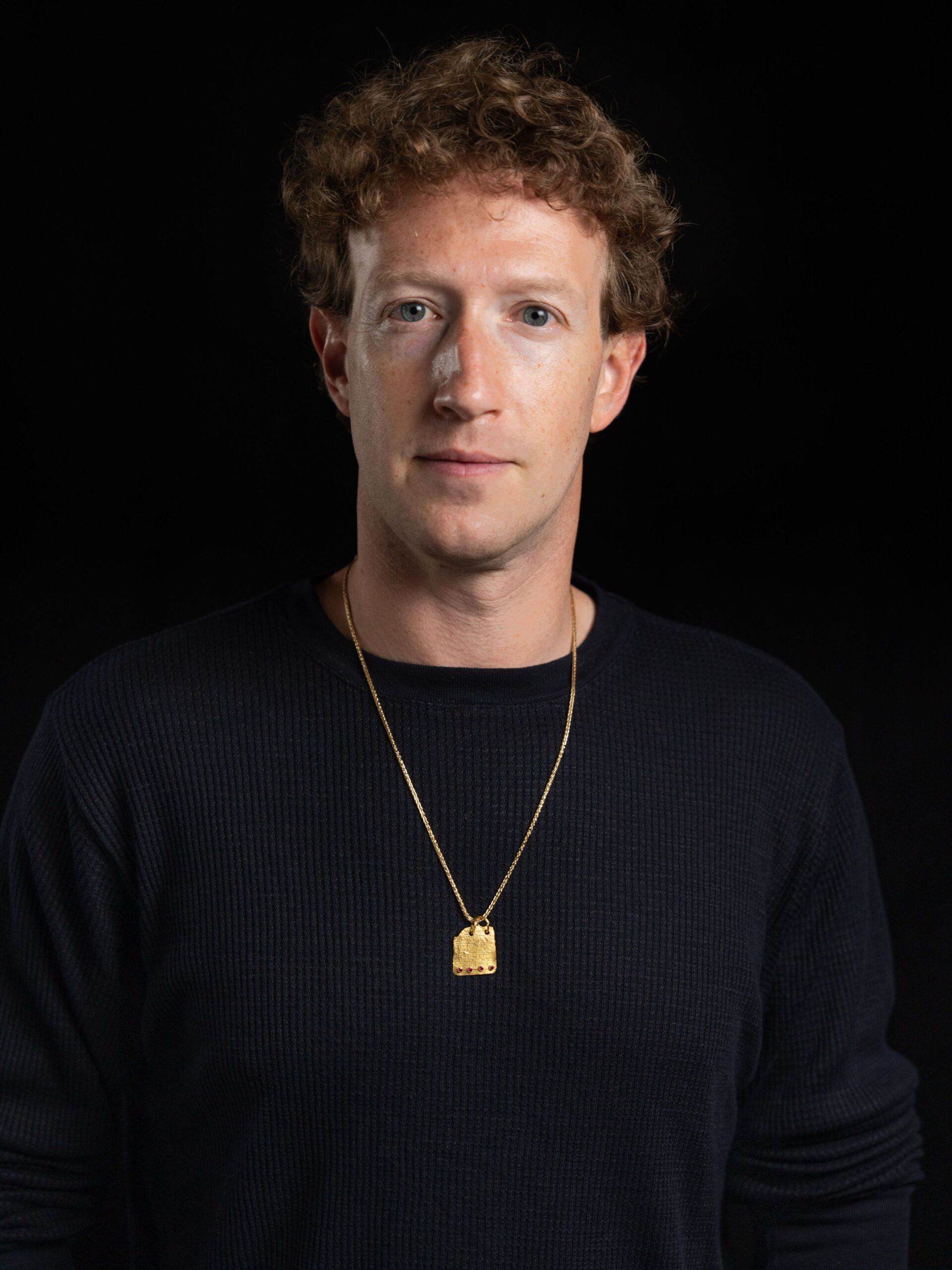
Mark Zuckerberg published a 6,500-word manifesto titled “The Future Is for Everyone,” laying out a grand vision of free, universal superintelligence empowering billions of autonomous personal agents. Yet instead of inspiring applause, the essay triggered immediate public pushback—highlighting how deeply the AI industry’s public messaging has fractured between techno-optimism and a widespread crisis of public trust.
A Tale of Two AI Narratives
For years, Big Tech spoke with a unified voice: AI was moving fast, solving problems, and coming to every app near you. But throughout 2026, two opposing communication strategies emerged among top labs:
[Meta Strategy]      ➔ Maximal Optimism ➔ "Superintelligence for Everyone"
[Anthropic Strategy] ➔ Risk Realism     ➔ "Trust Deficit & Delivery Gaps"
While Zuckerberg positions Meta as an open-access champion delivering PhD-level tutors to every human on earth, Anthropic CEO Dario Amodei took a starkly different tone, publicly admitting that the widespread backlash against AI data centers and labs is fundamentally a “crisis of trust” stemming from unfulfilled promises.
What Happened: The Pushback Against Grand Promises
Zuckerberg’s essay promised that “in the next few years, people will be able to use superintelligence beyond human capacity” to cure diseases, start businesses, and manage daily lives.
The pushback from industry commentators was swift. Critics pointed out that using the word “superintelligence” dozens of times without defining actionable benchmarks feels like a corporate distraction. When users are still struggling with model hallucinations, buggy agent workflows, and massive local power grid strains caused by new data centers, being told that magical superintelligence is right around the corner feels disconnected from immediate developer realities.
As Amodei noted during a recent interview, the tech industry’s biggest mistake hasn’t been talking about risk—it has been failing to deliver the transformative everyday utility that balances out the disruption.
Why It Matters for Engineering Teams and Startups
This messaging split isn’t just PR noise; it directly dictates how enterprise software gets built and funded:
- The Consumer Reality Check: Buyers and end-users are becoming immune to grand marketing claims. Products built on “AI hype” are suffering high churn, while tools focusing on narrow, reliable workflow automation are winning.
- Regulatory and Trust Barriers: Public skepticism makes deploying autonomous agent features harder. When users don’t trust the overarching vendor, they hesitate to grant AI permissions to touch sensitive enterprise data or personal workflows.
My Take: Stop Selling Magic, Start Shipping Reliability
Reading Zuckerberg’s manifesto felt like stepping into a 2023 time capsule. We don’t need another essay promising that PhD-level AI tutors will solve all human suffering by 2030.
What developers and users actually want right now are models that don’t hallucinate edge-case syntax, agent frameworks that don’t loop endlessly, and clear pricing. Amodei’s candid admission—that AI labs simply haven’t delivered enough tangible value yet to earn public trust—was a refreshing reality check. It’s time for tech leaders to dial back the techno-utopian manifestos and focus on shipping software that reliably works.
Frequently Asked Questions
What was the main takeaway of Mark Zuckerberg’s essay?
The essay argued for widely distributed, open-access “superintelligence” as an empowering tool for individuals, contrasting it with centralized AI systems controlled by a few institutions.
Why are AI labs facing increased public pushback in 2026?
Critiques stem from a combination of unfulfilled product promises, environmental strains from expanding data centers, and persistent accuracy issues like model hallucinations.